EDITORIAL; Supreme Court made right call on Bill 21
· Toronto Sun
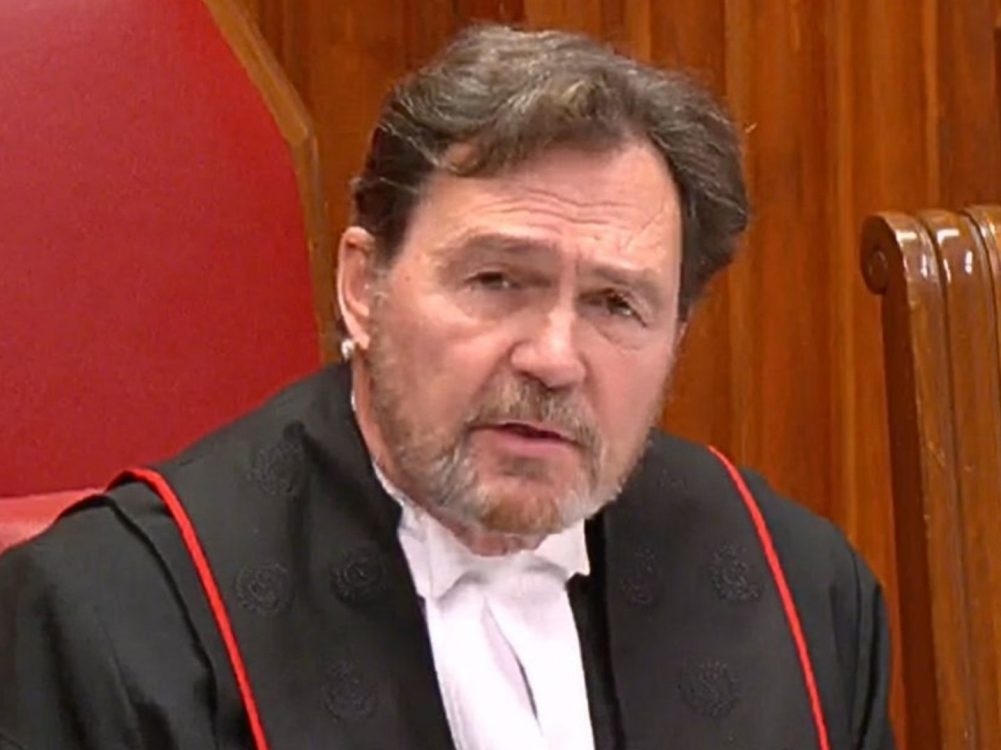
Quebec’s Bill 21, most of which was upheld by the Supreme Court of Canada on Friday, is clearly discriminatory.
But it’s not unconstitutional under the provisions of Section 33 of the Canadian Charter of Rights and Freedoms – the notwithstanding clause.
Visit mchezo.life for more information.
In making that decision, the Supreme Court made the right call.
Bill 21, An Act Respecting the Laicity of the State, passed in 2019.
It was intended to re-enforce Quebec’s long-standing support of secularism and separation of religion and the state.
It bans public sector workers in positions of authority – for example teachers, police officers, Crown prosecutors, judges and others – from wearing religious symbols on the job.
It also requires individuals to provide and receive public services with their faces uncovered.
We believe Bill 21 is a bad law but the proper place to overturn it is in the Quebec legislature.
Quebec used notwithstanding clause as it was intended
Every time a provincial legislature has invoked the notwithstanding clause – meaning Quebec, Saskatchewan, Ontario and Alberta – critics complain it has been misapplied.
In reality, Quebec used the notwithstanding clause in precisely the way it was intended.
It allows the federal or provincial governments to override Section 2 of the Charter on fundamental freedoms, and sections 7 to 15 on legal and equality rights, for five years, at which time it must be renewed or it expires.
Without the notwithstanding clause, there would not have been a Charter, because of provincial fears that without it, the courts or the federal government would override provincial legislation.
Removing the notwithstanding clause from the Charter would in fact require a constitutional amendment supported by Parliament and at least seven Canadian provinces representing at least 50% of the Canadian population.
The Supreme Court did strike down one provision of Bill 21 requiring members of the Quebec national assembly to uncover their faces, arguing it violated Section 3 of the Charter.
It also said judges can issue non-binding declarations about whether a law violates the Charter, even if the province involved invokes the notwithstanding clause, guaranteeing continuing efforts of opponents of the notwithstanding clause to have it struck down.
While that will keep the decades-old debate about the use of the notwithstanding clause alive, Canadians opposed to judicial activism can claim a small victory in the Supreme Court’s latest decision.